Safety First: When to Stop and Call for Help
If you smell gas near your stove, stop immediately. Do not try to light the burner. Do not flip any switches or use any electrical device. Leave your home right away and call your gas utility from outside.
Gas leaks are a serious hazard. Escaping gas can ignite without warning, and inhaling it at high concentration causes real harm. Your gas utility operates emergency lines around the clock. In Ontario, a suspected gas leak is an emergency — treat it as one.
There is an important distinction to keep in mind. A stove that simply won’t light — you hear clicking, but no flame appears — is typically a mechanical or electrical problem. A stove releasing even a faint gas odour is a potential leak and requires immediate professional attention.
If you are uncertain whether you smell gas, call your utility. In Ontario, only a technician holding TSSA (Technical Standards & Safety Authority) certification can legally inspect and work on gas lines and connections.
Why Your Gas Stove Is Not Lighting: Common Causes
The clicking sound you hear when you turn the knob is the spark igniter attempting to create a flame. When it keeps clicking without result, one of several mechanical issues is usually responsible. Most are straightforward to identify — and some you can resolve yourself.
Wet or Dirty Spark Igniter Electrode
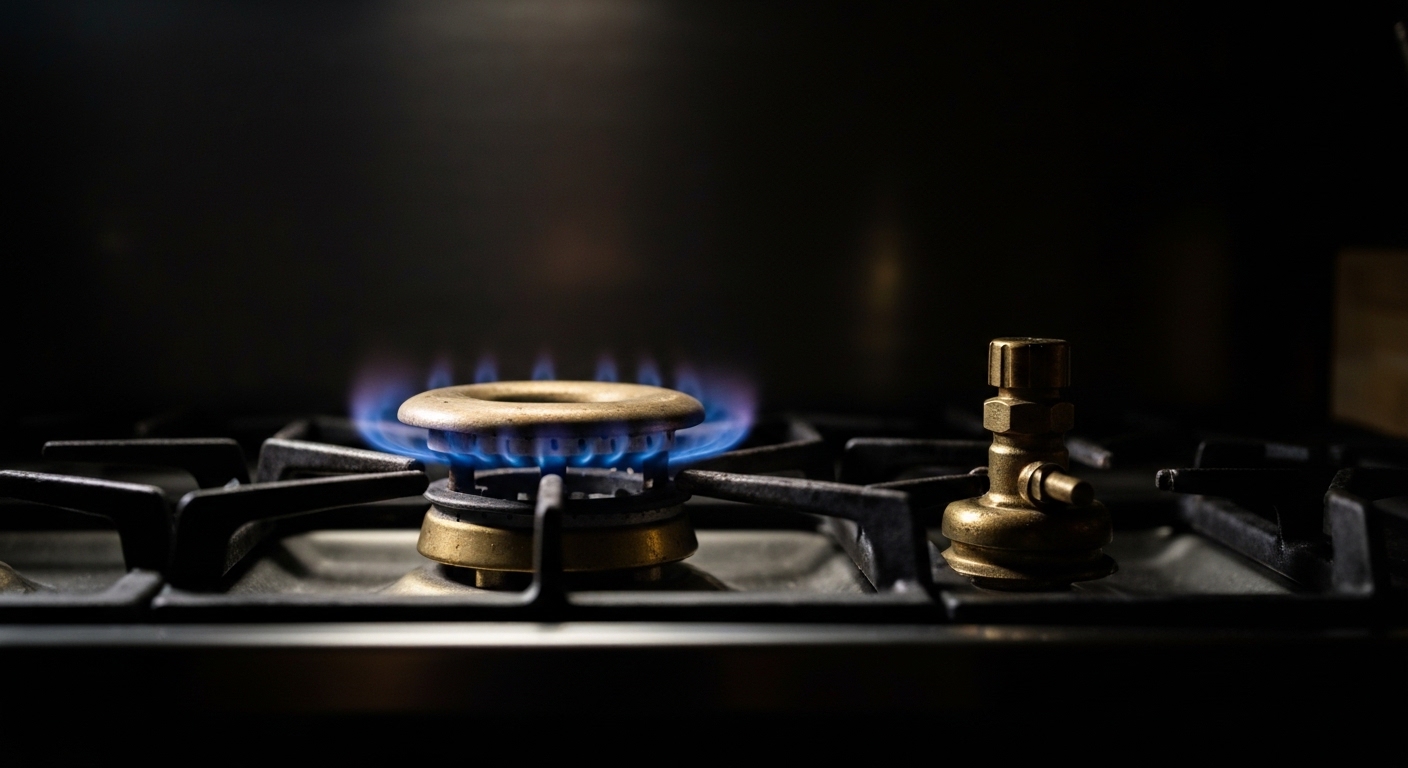
The spark igniter is a small ceramic-tipped electrode positioned beside each burner. When you turn the knob, the ignition module sends an electrical pulse to that electrode, which jumps across a gap to produce a spark. Food debris, spilled liquid, or grease buildup on the electrode tip prevents the spark from forming cleanly.
This is the most frequent cause of a gas stove not lighting. A quick visual inspection tells you immediately if the electrode looks wet, dark, or caked with residue.
Burner Cap Misalignment
The burner cap sits on top of the burner base and must rest completely flat and centred. Even a slight tilt blocks the gas ports — the small holes that release gas to feed the flame. When gas flow is interrupted, the spark has nothing to ignite.
This is easy to overlook because the cap can look fine at a glance. Lift it off, set it back down, and confirm it sits flush before testing again.
Clogged Burner Ports
The burner head itself contains a ring of small holes. Grease and food particles accumulate in these ports over time, restricting gas flow. If the ports are partially or fully blocked, the spark fires but finds no gas to ignite. Clearing these ports is a safe, straightforward DIY task covered below.
Ignition Module Failure
If the electrode is clean and dry, the fault may lie with the ignition module — the circuit board inside the stove that sends electrical current to each electrode. A failed module produces continuous clicking but no actual spark at the burner. On many Samsung, LG, and Whirlpool ranges, this board is identified in service manuals as the spark module or spark ignition control. Replacing it requires professional installation.
Cracked or Corroded Spark Electrode
The electrode tip can crack or corrode after years of heat exposure, stopping the spark from bridging the gap. On GE and Frigidaire models in particular, a visibly white or pitted ceramic tip is a reliable indicator of electrode wear. Replacement requires a technician.
DIY Cleaning Steps for a Gas Stove Not Lighting
Before calling for service, work through these cleaning steps. They address the most common causes and take about 15 minutes. Always start with the stove completely off and cool.
Clean the Burner Caps and Grates
- Remove the burner caps and grates and set them on a flat surface.
- Wash them in hot soapy water, scrubbing away any grease or food buildup with a non-abrasive brush.
- Rinse and dry them thoroughly with a clean cloth — moisture left on the cap will cause the same clicking problem.
- Reinstall each cap so it sits flat and centred on its burner base.
Clean the Spark Igniter Electrode
- Locate the igniter beside each burner — it is the small ceramic or metal rod protruding from the stove surface.
- Use a dry, soft-bristle toothbrush to gently brush away debris from the tip and the surrounding area.
- Do not use water, solvents, or abrasive pads directly on the electrode.
- Wipe the area around it with a dry cloth and let it air for a few minutes before testing.
Clear the Burner Ports
- With the stove off and the burner head removed, examine the ring of small holes on the burner.
- Use a toothpick or a thin piece of soft wire to gently clear each blocked port. Push straight in — do not scrape sideways.
- Wipe away any loosened debris with a dry cloth.
- Avoid forcing anything into the ports; aggressive clearing can deform the openings and worsen gas flow.
Confirm Everything Is Completely Dry
Moisture anywhere near the igniter will stop the spark. After cleaning, allow the stove to air for at least 10 minutes before turning it on. On humid days or after a spill, 20 minutes is better.
When the Stove Lights But the Flame Won’t Stay On
A spark occurs and the burner ignites briefly, then the flame dies within seconds. This points to a different set of problems.
Thermocouple Failure
Older gas stoves with standing pilot lights rely on a thermocouple — a heat-sensing safety device positioned in the pilot flame. While the pilot is burning, the thermocouple detects heat and holds the main gas valve open. When the thermocouple weakens or fails, the valve closes within seconds of ignition, cutting off gas to the burner. Thermocouple replacement involves removing internal components and testing the valve — this is work for a licensed technician.
Partially Blocked or Failing Gas Valve
Mineral scale or debris can partially block the internal valve, restricting gas flow enough to sustain a spark but not a steady flame. In some cases the valve itself is failing electrically. Either way, cleaning or replacing the valve requires professional service.
Signs You Need a Technician for Your Gas Stove
Some stove problems go beyond safe DIY repair. Call a licensed technician if any of the following apply.
- Clicking continues after cleaning. Persistent clicking with no spark points to a failed igniter module or cracked electrode — both require replacement parts and professional installation.
- You smell gas. Call your gas utility first, then arrange for a TSSA-certified technician to inspect the appliance before using it again.
- The flame burns yellow or orange instead of blue. A yellow or orange flame indicates incomplete combustion, which can release carbon monoxide into your home. Stop using that burner immediately and call for service.
- Any gas connection or supply line is involved. In Ontario, only a TSSA-licensed technician can legally perform work on gas supply lines, fittings, and valves.
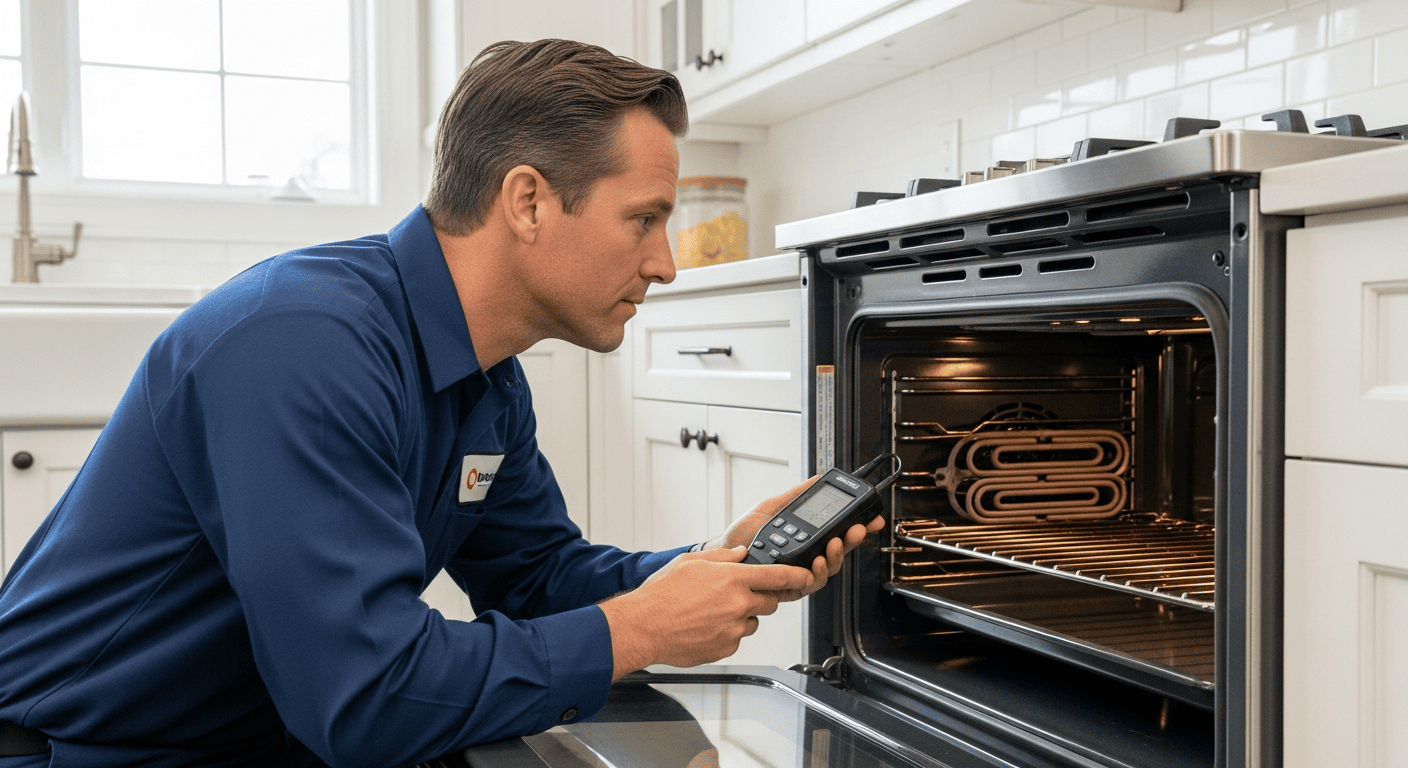
SureFit Appliance Services repairs all major gas stove and range brands — Samsung, LG, Whirlpool, Maytag, KitchenAid, GE, Frigidaire, Bosch, Miele, Wolf, Viking, Thermador, and more. Our technicians hold TSSA certification for gas and propane appliances. We serve a 200 km radius from our base in Keswick, Ontario, covering the GTA, York Region, Durham Region, Simcoe County, and Grey County.
A service call starts at $85 + HST per appliance — and we waive that fee entirely if you proceed with the repair. We provide a written quote before any work begins, with no hidden charges. Every completed repair carries a 90-day warranty on both parts and labour.