Dryer Lint Trap and Vent Appliance Safety Tips
Clothes dryers are the leading cause of appliance-related house fires in Canada. Lint buildup is the culprit — and it is one of the most preventable hazards in your home.
Clean the Lint Trap After Every Load
Not monthly. Not weekly. After every single load. The lint trap catches fibres before they escape into the vent duct. A clogged trap forces lint downstream into the ductwork, where it accumulates against the heat source and becomes a fire risk.
This takes ten seconds. Do it before you pull the clothes out.
Schedule Professional Dryer Vent Cleaning
Even with a clean lint trap, lint migrates into the vent duct over time. Have the duct professionally cleaned at least once per year — more often if you dry heavy fabrics or run multiple loads daily.
A blocked vent forces the dryer’s heating element and motor to run hotter than designed. That added strain shortens the life of components like the thermal fuse and cycling thermostat, and increases your energy costs. A professional removes blockages no household vacuum can reach.
Replace Flexible Vinyl Duct with Rigid Metal
Plastic or vinyl flex duct is a fire hazard. It collapses easily, traps lint at every bend, and melts at temperatures well below what rigid metal can withstand. Replace it with smooth-bore rigid aluminium or galvanized steel ducting. The upgrade is inexpensive and the airflow improvement alone reduces drying time.
Gas Appliance Safety Tips: CO, Leaks, and Certification
Gas ranges, ovens, dryers, and fireplaces require specific attention to prevent carbon monoxide (CO) exposure and gas leaks — two hazards that can develop without obvious warning.
Install and Maintain Carbon Monoxide Detectors
Place at least one CO detector on every floor of your home, and within five metres of any bedroom. CO is colourless and odourless — a detector is your only reliable warning. Test each unit monthly and replace batteries twice yearly. If the alarm sounds, evacuate immediately and call 911 from outside the building.
Recognise the Difference Between Normal Operation and a Gas Leak
A faint sulphur smell near a gas range is often the odorant added to natural gas — not necessarily a leak. A persistent, strong smell is another matter entirely. If the odour is strong or does not dissipate, evacuate without touching any electrical switches or using your phone indoors. Call your gas provider from outside. Do not attempt to locate the leak yourself.
Gas Appliance Repairs Require TSSA Certification
In Ontario, only technicians certified by the Technical Safety Standards Authority (TSSA) can legally repair gas appliances. SureFit is TSSA certified for gas and propane work across our full service area. We follow strict safety protocols on every gas repair — from checking manifold pressure to verifying burner flame colour and gas valve function.
Never allow an uncertified person to repair a gas appliance. Improper work risks gas leaks, CO exposure, and fire — and voids your appliance warranty.
Annual Gas Range and Oven Inspection
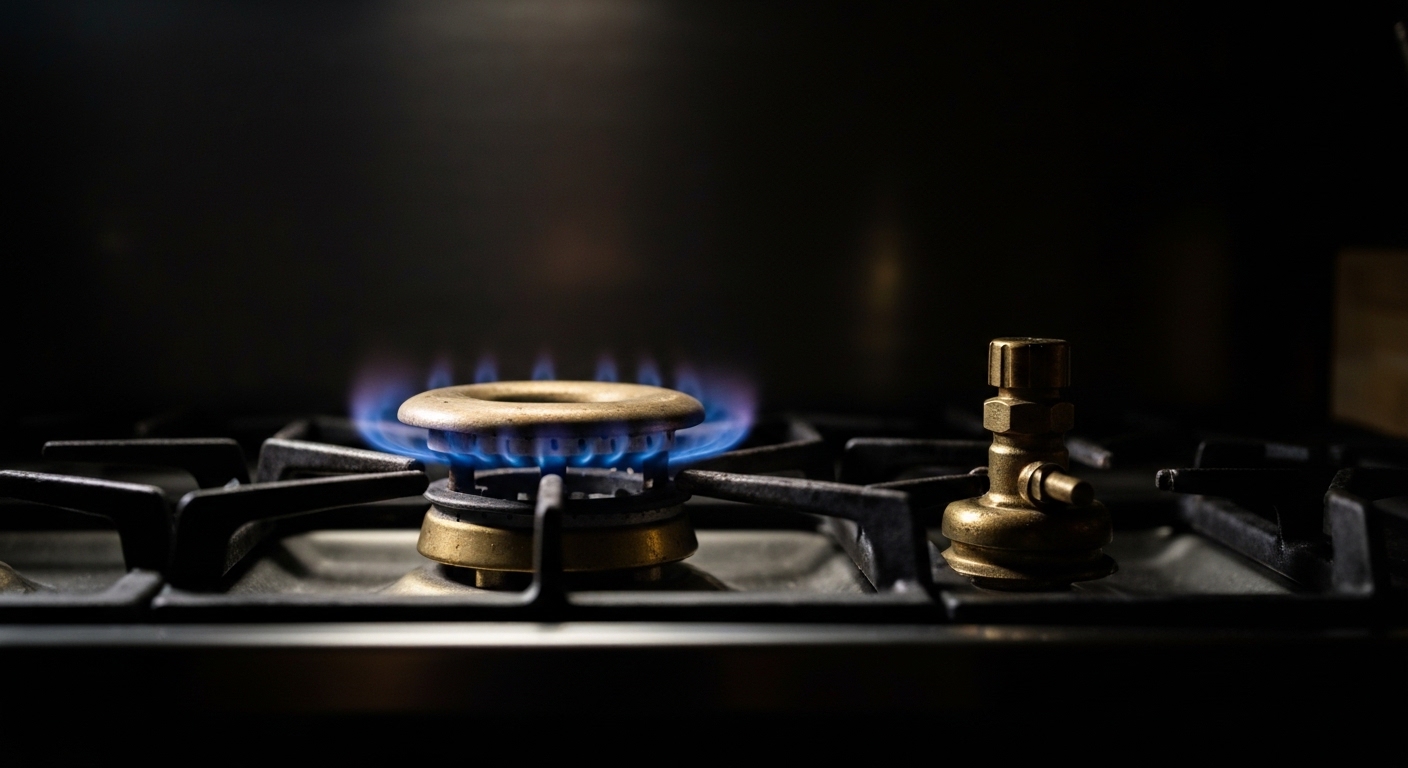
We recommend annual inspections for gas ranges and ovens. During a service call, a certified technician checks ignition system components, burner orifices, and flame colour — a yellow or orange flame on a gas burner can indicate incomplete combustion and CO production.
Refrigerator Safety Tips
Refrigerators rarely come up in home fire discussions, but dirty condenser coils are a genuine electrical fire risk.
Clean Condenser Coils Once a Year
Dust and pet hair accumulate on the condenser coils at the back or base of your refrigerator. Dirty coils force the compressor to run longer and hotter than designed. Over time, that heat can damage wiring insulation and create a short-circuit risk.
Unplug the refrigerator, locate the coils, and vacuum them thoroughly with a narrow-nozzle attachment once a year. On models like the Samsung RF28R7351SR or LG LRMVS3006S, the coils sit behind the kick plate at the base — remove the grille to access them.
Garage Refrigerators and Ambient Temperature
A refrigerator stored in an unheated garage or basement needs ambient temperatures above 10°C to function properly. Below that threshold, the compressor loses efficiency and may fail to maintain safe food temperatures — or stop cycling entirely. Monitor ambient temperature in any unheated space where you keep a secondary fridge.
Keep Flammables Away from the Compressor
The compressor generates significant heat during operation. Store paint, solvents, aerosols, and other flammable materials at least one metre away from the back and base of your refrigerator.
Washer and Dryer Appliance Safety Tips
Laundry appliances carry both water damage and fire risks when not properly maintained.
Do Not Leave Washers or Dryers Running Overnight
An unattended cycle means you cannot respond to a leak or electrical fault quickly. Water from a burst hose can saturate subfloors in minutes. Run laundry only during hours when you are home and awake.
Replace Rubber Hoses Every Five Years
Rubber washing machine supply hoses degrade internally before showing visible wear. When they fail, they fail fast — flooding a laundry room in minutes. Replace rubber hoses with braided stainless steel hoses, which resist burst failures and last significantly longer. Inspect connection points for bulging, cracking, or mineral deposits each time you replace filters or move the machine.
Keep Machines Level
An unlevel washer causes the drum to wobble during the spin cycle. That vibration accelerates wear on suspension rods, drum bearings, and spider arm assemblies — components that are costly to replace. Check that your washer sits flat on all four adjustable feet using a spirit level, and re-check after any move or flooring work.
Dishwasher Safety
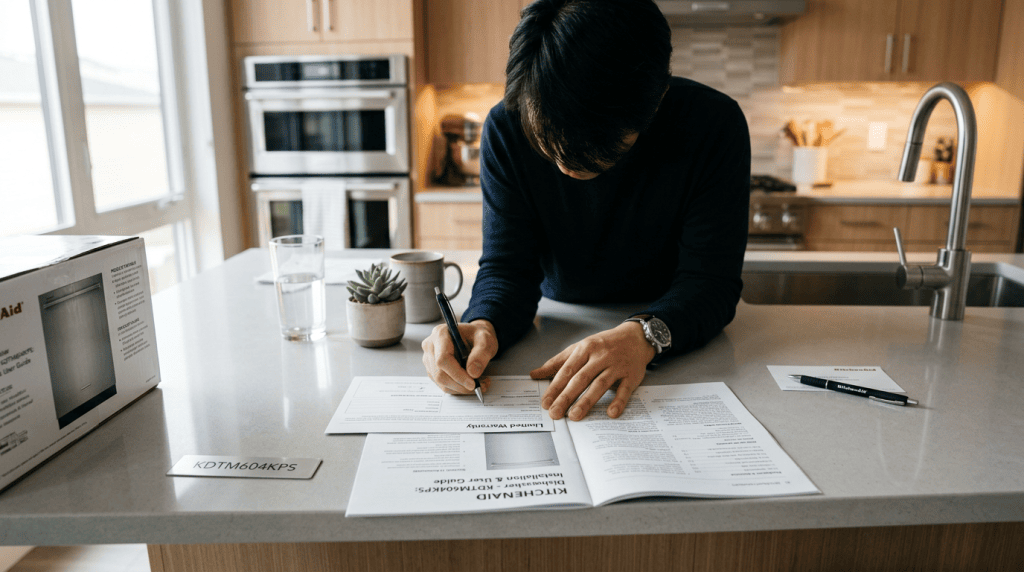
Dishwashers present both fire hazards from electrical faults and water damage risk from failing seals and supply lines.
Run the Dishwasher During Waking Hours
A supply line failure or door seal leak during an overnight cycle can cause thousands of dollars in water damage to cabinetry, subfloors, and framing before you notice anything. Run the dishwasher when you can monitor the kitchen.
Clean the Filter Monthly
The filter assembly — typically a cylindrical fine-mesh filter and a flat coarse filter — traps food particles and grease. Built-up grease near the heating element is a fire risk, and a blocked filter reduces wash performance. Remove both components, rinse under running water, and scrub with a soft brush monthly.
Inspect the Door Gasket Regularly
Run a finger along the rubber door seal. Cracks, tears, or sections that no longer compress evenly allow water to seep past the door and onto subfloor materials. Rot and structural damage from a failing gasket can go unnoticed for months. If the seal is cracked or no longer forms a tight contact, have it replaced — it is a straightforward repair and far less costly than floor remediation.
Warning Signs: Call a Technician Right Away
These symptoms often indicate electrical or mechanical faults that pose immediate safety risks. Do not dismiss them.
- Burning smell — May indicate overheating wiring insulation, lint trapped in motor compartments, or grease accumulation near a heating element. Unplug the appliance and call for service.
- Sparks or repeated breaker trips — Signs of an electrical fault in the appliance or its supply wiring. Do not use the appliance until a technician inspects it.
- Gas odour — Evacuate the building and contact your gas provider immediately. Do not use any appliances or switches.
- Water leaking near electrical components — A risk of electrocution and short-circuit damage. Switch the appliance off at the breaker and call for emergency service.
Frequently Asked Questions
How often should I have my dryer vent professionally cleaned?
Once per year is the minimum for most households. If you run more than two loads daily, dry heavy items like denim or towels regularly, or have a vent run longer than three metres, clean it every six months. Restricted airflow also shows up as longer drying cycles — if a normal load takes more than 45 minutes to dry, a blocked vent is a likely cause. For more detail, see our dryer vent cleaning guide.
Is it safe to run appliances overnight while sleeping?
No. Washing machines, dryers, and dishwashers should run only when you are home and awake. A water leak or electrical fault during an unattended cycle can cause fire or flooding well before you would notice. The few minutes of convenience are not worth the risk.
What are the most common causes of appliance fires?
Lint accumulation in dryer ducts, grease buildup near dishwasher heating elements, dust on refrigerator condenser coils, and electrical faults from worn wiring or damaged components account for the majority of appliance fires. Most are preventable with the maintenance steps above.
Do I need a TSSA-certified gas technician to repair a gas appliance in Ontario?
Yes. Ontario law requires that gas appliance repairs be performed by a TSSA-certified gas technician. SureFit is TSSA certified and carries out all gas appliance work — ranges, ovens, dryers, and fireplaces — in compliance with provincial safety regulations. Learn more on our gas appliance repair page.
What does SureFit charge for a service call?
Our service call fee is $85 + HST per appliance — below the industry average of $99. That fee is waived entirely if you proceed with the repair. We provide a written quote before any work begins, and every completed repair carries a 90-day warranty on parts and labour. No hidden fees.
Book a Professional Appliance Inspection or Repair
These appliance safety tips address the most common hazards — but some warning signs call for a trained technician, not a checklist. Same-day appointments may be available. SureFit confirms timing after reviewing your request.
We service all major brands — Samsung, LG, Whirlpool, Maytag, KitchenAid, GE, Frigidaire, Bosch, Miele, Sub-Zero, Wolf, Viking, Thermador, Jenn-Air, Fisher & Paykel, and more. Our $85 + HST per appliance service call fee is waived when a repair proceeds, every repair includes a 90-day parts and labour warranty, and you receive a written quote before we touch anything.
For urgent situations, call (647) 977-2626 — we accept emergency service requests. For routine inspections and maintenance, schedule your appointment online and keep your appliances running safely all year long!